Realistic Bee Applique: Buzz-Worthy Craft Fair Staple
As someone who stitches for a living and hawks handmade goods every weekend at bustling markets, I’ve learned one unshakable truth: nature sells. And nothing stops a browser in their tracks quite like a perfectly executed, realistic insect design. When I unzipped the Realistic Bee Applique file, I immediately knew it had that rare mix of charm and precision. This isn’t a cartoonish doodle or a generic clip-art bee. It’s a detailed, grown-up homage to the humble honeybee — and for the craft fair circuit, that changes everything.
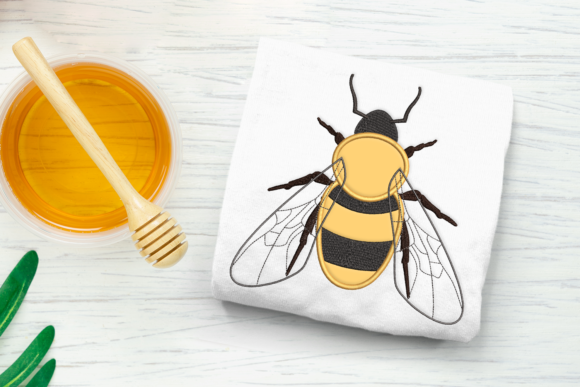
What struck me first was the balance. The wings have a translucent suggestion without being overwrought, the body segments feel intentional, and the overall silhouette is instantly readable from three feet away. In a booth environment, where you have maybe two seconds to hook a passerby, that clarity is gold. This machine embroidery design reads as premium yet approachable, elegant but not fussy. It leans into the farmhouse and cottagecore trends without screaming “look at me,” making it ridiculously versatile across product lines.
A Realistic Bee That Demands a Second Glance
Let’s talk about that descriptor: realistic. Many embroidery designs promise realism but deliver a muddy mess of jump stitches and questionable shading. The Realistic Bee Applique feels different. The applique technique itself is smart here — it reduces bulk while preserving fine details like the delicate veining in the wings and the striped abdomen. Because you’re laying down fabric pieces rather than satin-stitching every micron, the design breathes. It won’t turn a tea towel into cardboard, and that’s a massive win for functional handmade products.
For craft fair sellers, this means you can confidently place it on items that people will actually use and wash. No one buys a stiff, over-stitched kitchen towel twice. With the right stabilizer and fabric choices, this bee stays soft and drape-ready, yet still pops visually. That’s the sweet spot between handmade quality and commercial viability.
Where the Realistic Bee Applique Shines Brightest
I mentally walked my display table while testing this design. First stop: linen tea towels. Stitched in warm ochres and deep charcoal on unbleached cotton, the bee became a conversation piece. It looked like something you’d find in a high-end farm shop, not a discount bin. Next, I moved to a canvas tote bag. As a focal design on the front pocket, it transformed a plain carryall into a wearable garden statement. Shoppers at spring markets and eco-friendly fairs would snatch these up.
Here’s where the Realistic Bee Applique truly earns its keep in a handmade business:
- Tea towels and kitchen linens: The design scales beautifully for a corner accent or a centered hero motif. Keep thread colors earthy — muted yellows, browns, and off-white for the wings — to lean into that rustic aesthetic that sells like crazy in farmhouse booths.
- Tote bags and market bags: A single large bee on a natural cotton tote becomes a bold yet minimal statement. This appeals to the “buy less, buy better” crowd who love a thoughtful detail.
- Aprons: Stitch it on the bib of a sturdy canvas apron. It instantly turns a utilitarian item into a giftable, boutique product. Gardeners and beekeeping enthusiasts will take notice.
- Embroidered patches: With careful trimming and a felt backing, the bee becomes a sew-on or iron-on patch. Sell them individually or bundle with a nature set. They’re lightweight, high-margin, and irresistible to kids and adults alike.
- Caps and apparel: The curved surface of a cap demands caution, but the bee’s compact shape works on the front panel or side. On a dad hat in olive or tan, it’s subtle, masculine, and entirely on-trend.
- Pillow covers and home decor: A pair of bees flanking a pillow sham elevate simple linen into something worthy of a boutique price tag.
- Small pouches and giftables: Stitch the design as a mini motif on zipper pouches. These become perfect impulse buys at your craft fair checkout area.
The versatility here is what makes this design a repeatable production hero. You can stitch a batch of tea towels, a handful of totes, and a few pouches using the same embroidery file — each product looks intentionally curated rather than mass-produced.
Production Notes Every Embroiderer Should Heed
Before you load this beauty onto a hoop and hit start, let’s talk real-world stitching. An applique design always tempts you to skip the details, but the Realistic Bee Applique has some delicate areas that deserve respect. The antennae, the fine wing lines, and the leg segments: if your stitch density is too high or your stabilizer isn’t up to par, these bits can blur or, worse, perforate the fabric.
My hard-won advice after stitching out three test runs:
- Test on scrap fabric first. Never, ever skip this. The fabric you plan to sell must be the fabric you test. What works on quilting cotton may pucker on linen or distort on a polyester blend.
- Check thread contrast. This is not a design for tone-on-tone subtlety if you want it to sell. The bee’s details shine when the abdomen stripes and wings have clear contrast. On dark fabric, choose a thread for the wings that isn’t too bright white; an antique ivory or soft gold preserves the realistic feel and avoids a harsh, ghostly look.
- Mind the hoop size. I can’t stress this enough: verify the required hoop size with the embroidery file provider before purchasing. The bee may look large on-screen but actually demand a 5×7 or larger field. If you’re working with a single-needle machine, plan accordingly.
- Stabilizer is everything. For towels and textured fabrics, a sticky mesh stabilizer does wonders. For tote bags and caps, a firm cutaway gives the design longevity. Don’t cheap out here; your finished products will look crisp and remain washable without puckering.
- Respect small details. If you scale the bee down too far for a tiny patch or a cap’s side, those intricate wing veins and tiny legs might disappear. Keep it at a moderate to large size for maximum impact and clarity. A 3-inch or larger width typically preserves every element.
- Create a real mockup. In your booth and online listings, a physical sample stitched on the actual product is worth ten digital images. Shoppers need to see the texture, the true thread sheen, and how the applique edges lay. That tactile trust is what closes the sale.
- Review commercial licensing. Always, always confirm that the embroidery file includes a commercial license for selling finished items. Many digital sellers grant it, but you must verify before you stitch a dozen totes for market day.
Craft Fair Booth Magic: Styling the Bee for Maximum Sales
Your display can make or break this design’s selling power. I styled my test pieces on a wooden crate with honeycomb-patterned fabric underneath and a small jar of local honey as a prop — yes, it’s on the nose, but boy did it draw people in. The Realistic Bee Applique naturally invites grouping. Pair it with floral embroidery designs, botanical motifs, or even a simple lettering “bee kind” accent to create a cohesive story in your booth.
Color family matters. I had best results with fabrics in natural tones: oatmeal linen, olive green canvas, chambray blue, warm cream, and soft mustard. The bee pops without looking juvenile. This color palette also photographs beautifully for Etsy seller listings and printable mockups, which brings me to online selling.
Selling the Bee Online: Etsy Listings and Digital Assets
For e-commerce, the Realistic Bee Applique offers strong visual legibility in thumbnail sizes. It looks distinct at a glance — no confusion with a random blob of stitches. That’s vital for Etsy’s crowded marketplace. When I photographed my tote bag sample in natural light, the bee read clearly in search results. The wings created a subtle sheen that stopped the scroll. Use lifestyle shots: hold the towel in a kitchen scene, hang the apron against a garden background. Embed keywords like machine embroidery design, tote bag design, tea towel embroidery, embroidered patch, handmade product, and craft fair product in your titles and tags to capture the right buyer intent.
I also recommend creating a printable mockup for your shop if you offer design assets or want to show sizing without stitching every variation. While nothing beats the real stitch-out, a clean digital preview helps buyers visualize scale on different products.
Who This Design Is For — and Who Might Pass
If your brand leans into nature, sustainability, gardening, rustic elegance, or cottagecore, this Realistic Bee Applique is a no-brainer. It fits seamlessly into a commercial embroidery small batch strategy and adds perceived value to everyday items. The bee has a timeless quality; unlike trendy sayings or seasonal motifs, it won’t feel dated by next spring.
However, if you run a strictly children’s line with cartoonish characters or a sleek modern aesthetic with only geometric shapes, the realistic insect might feel out of place. Know your audience. For boutique makers and creative entrepreneurs who weave storytelling into their product lines, this bee is a reliable crowd-pleaser.
Final Verdict: A Smart Investment for Your Handmade Line
After rigorous stitching, display testing, and real-world feedback from fellow vendors, I’m placing the Realistic Bee Applique firmly in my “must-stitch” card for the upcoming market season. It marries the visual punch of a bold focal design with the softness of an applique that respects fabric drape. It photographs like a dream, invites curious fingers at the booth, and turns a humble towel into a premium gift.
Just remember: your thread choices, stabilizer decisions, and hoop discipline determine whether this design sells for $10 or $30. Give it the care it deserves, create a beautiful mockup, and watch it generate buzz of its own — literally. Whether you’re an Etsy seller, a craft fair vet, or just building your embroidery business, this bee deserves a spot in your digital design library. Check the provider’s details on hoop size, file format, and license terms, then get stitching. The hands that stop at your table won’t be able to resist that tiny, perfect, stitched honeybee.