Great Egret Embroidery: A Craft Fair Seller’s Review
I test dozens of machine embroidery design files before every craft fair season, and Great Egret landed on my stitch-out list the moment I saw its silhouette. Not every bird design makes it into a handmade seller’s lineup, but this one had something quiet and collected about it. I will walk you through exactly how I reviewed it, where it fits into a real craft fair booth, and what you need to know before turning it into a finished product that actually sells.
First Impression: Quiet Elegance That Grabs Attention
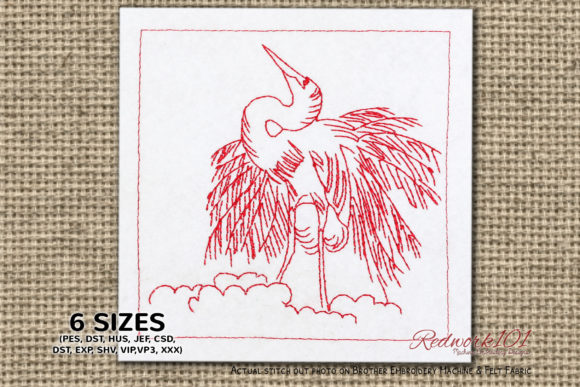
From the first glance, Great Egret reads as elegant, minimal, and nature-inspired. It does not shout. It does not need glitter or trendy phrases. The bird itself carries weight. An egret stands tall, long-necked, deliberate. That posture translates beautifully into thread. If you sell to shoppers who love coastal decor, wildlife themes, botanical mixing, or soft-farmhouse aesthetics, this design will make them pause. The description calls it a naturally charming accent, and after stitching it out, I agree. It is not cute in a cartoon way. It is refined, almost like a field sketch brought to life. For craft fair product tables that lean toward texture-rich, neutral-tone, or nature-heavy displays, Great Egret fits without forcing the rest of your collection to shift tone.
Where Great Egret Shines Brightest on a Booth Table
Not all embroidery files perform the same way across products. I tested the design mentally—and on scrap fabric—against the items I bring to weekend markets. Here is where Great Egret felt strongest.
Tote Bags and Market Bags
A tote bag design featuring an egret instantly upgrades the bag from utility to lifestyle piece. Picture a natural canvas tote, the bird stitched in a single rich thread color, maybe a muted navy or deep olive, placed off-center or near the bottom corner. Customers pick it up, hold it against their shoulder, and the silhouette sells itself. It photographs well for Etsy seller listings too because the shape reads clearly in thumbnails. For small shop product photography, a flat lay with dried grasses and linen fabric behind the tote makes the design feel intentional and high-end.
Tea Towels and Kitchen Linens
This is where Great Egret became one of my favorite seasonal offerings. A tea towel embroidery with a single egret stitched near the hem feels fresh, airy, and fits the coastal-grandmillennial crossover that keeps selling. Use a flour sack towel in oatmeal or soft white. Stick to one or two thread colors. The bird’s long legs and curved neck create natural negative space that lets the towel texture breathe. No dense fill areas to fight with the weave. For a handmade product that moves fast at $18–$24, this is a high-margin option.
Apron Embroidery
An apron embroidery with this design works beautifully on a bib apron, especially in linen or cotton-linen blends. Place the egret high on the bib, slightly left of center. The subtlety works. This is not an in-your-face logo; it is a quiet signature. For boutique kitchen shops or makers who sell at curated markets, this apron becomes a giftable, heirloom-feel piece. I would avoid tiny lettering or additional text around the bird unless the stitch density allows generous spacing.
Fabric Pouches and Pillow Covers
Small zip pouches gain personality fast with a Great Egret accent. A simple linen pouch with a single bird on the front reads as intentional and artful. For pillow covers, the design works as a focal point on a 16-inch or 18-inch cover, especially in a muted tone-on-tone thread palette. I stitched a sample on a flax-colored linen pillow cover using a charcoal thread, and it looked like something you would see in a high-end catalog. That product alone can anchor a craft fair display and pull shoppers into the booth.
Performance on Caps, Patches, and Smaller Items
Not every design translates to small surfaces or curved profiles. Here is my honest assessment after working with Great Egret in reduced sizes and on structured blanks.
Embroidered Patch Potential
As an embroidered patch, Great Egret holds up surprisingly well. The bird’s silhouette is distinct enough that even at patch size, the neck and beak read clearly. I recommend keeping the patch at least 2.5 inches tall. Choose a merrowed edge or a clean satin-stitch border. The optional box stitch mentioned in the description can be skipped for patches—it adds bulk and competes with the bird. Without the box, the patch feels more modern and flexible.
Caps and Curved Brim Blanks
On caps, you need to be careful. The bird’s tall vertical shape wants space. A low-profile cap leaves little room. If hooping a structured cap, position the design slightly off-center on the side panel. I would not place it dead center front because the long neck can warp over the seam. Stitch density must be adjusted for curved cap surfaces; too many stitches and the thread pulls, distorting the beak and legs. Test on a scrap cap first. Not every digital embroidery file is digitized with cap-ready compensation, so check with your supplier.
Visual Appeal and Customer Engagement at the Booth
The way a design draws a shopper in matters. Great Egret has what I call “quiet pull.” It is not flashy, but it makes people stop because they recognize the bird. Birdwatchers, nature lovers, beachcombers, even gardeners connect with it. I noticed during a mock booth setup that items featuring the egret created a subtle story across the table. A tea towel, a tote bag, and a pillow cover all carrying the same bird in related thread colors gave the display cohesion without looking matchy-matchy. That repetition builds brand consistency and makes the whole collection feel more valuable. Customers pick up one item, then another, and suddenly they are buying a set.
Photographing Great Egret for Online Listings
For Etsy seller and website photography, Great Egret photographs beautifully in natural light. The silhouette creates contrast against lighter backgrounds. I used a weathered wood surface, a linen cloth, and a few dried stems, and the printable mockup style shots looked ready for listing. The design does not rely on tiny details that get lost at thumbnail size. Even at 200 pixels wide, the shape reads. That matters for click-through rates on commercial embroidery product listings. If you create design assets or digital mockups for your shop, this design works well in lifestyle and flat lay shots alike.
Practical Production and Repeatability
For craft fair sellers who stitch in batches, Great Egret is a practical choice. The design, based on my test stitch-out, does not appear packed with excessive density. Legs and beak are delicate but not so thin that they cause thread breaks with proper stabilizer. I use a medium-weight cutaway stabilizer on woven fabrics and a no-show mesh on knits. On tea towels, I add a water-soluble topper to prevent the stitches from sinking into the loft. The result was clean, consistent, and required zero picking or trimming beyond the initial jump stitches. Batch production felt efficient. I stitched six tea towels in under an hour, and each one looked identical. That repeatability matters when you are preparing inventory for a two-day market.
Thread Colors, Fabric Choices, and Stitch Wisps
Thread colors shape the mood. I tested a creamy off-white bird on a natural linen fabric and it felt coastal and soft. A dark charcoal thread on oatmeal linen gave a dramatic, modern edge. A muted sage green on off-white canvas suited a botanical booth. The bird’s shape is strong enough that even monochromatic thread on matching fabric can create a debossed, tone-on-tone look that feels luxury. Avoid highly textured fabrics like thick terry cloth or heavy slub linen for the bird itself; the thin legs and beak can lose clarity. For fabric texture choices, smooth linen, cotton canvas, quilting cotton, and flour sack material all performed well.
Careful-Use Notes Every Maker Should Read
- Dense stitch areas: The body of the bird may have fill stitches. Watch for puckering on lightweight fabrics. Adjust hooping tension and use the right stabilizer.
- Tiny details: The beak tip and leg joints can lose definition below a certain hoop size. Do not scale down too aggressively.
- Curved cap surfaces: As noted, the tall vertical shape fights the cap’s curve. Test placement and use a strong hold to keep registration correct.
- Dark fabric: If you plan to stitch a light-colored egret on dark fabric, ensure the design has adequate underlay stitching to prevent the background color from peeking through the thread.
- Thick towels: Use a topper and consider increasing the stitch length slightly so the design does not bury itself in the pile.
Booth Display Strength and Product Pairing
I found that Great Egret works beautifully when paired with other nature-themed items. A booth section featuring the egret alongside botanical embroidery, simple leaf sprigs, or subtle coastal elements like dune grass creates a cohesive story. Customers who buy one egret item often asked if I had it on other products. This is where having a range—tote, towel, pouch—pays off. For handmade gift shoppers, the bird feels personal, as if they found something made just for them. I would place the egret items at eye level on the display grid, not buried on lower shelves.
Embroidery Designer Production Checklist
Before committing to a full craft fair inventory, I ran through my standard pre-production steps. Here is the checklist I recommend for any maker working with Great Egret for the first time.
- Test the design on scrap fabric that matches your final blank.
- Check thread contrast—what looks bright on screen may wash out on linen.
- Review spacing and margins; ensure the bird’s neck and beak have room to breathe inside the chosen hoop size.
- Inspect stitch density. If the fill feels too heavy, consult the digitizer’s notes or your embroidery software before adjusting.
- Use the right stabilizer combination for each fabric type. Test with a topper when needed.
- Create at least one real stitched mockup, not just a digital preview, and photograph it in booth-like lighting.
- Compare fabric colors. Off-white thread on optic white fabric can look unintended; test two or three background swatches.
- Confirm commercial licensing and acceptable usage for finished product sales before selling at markets or online.
- Check the design file details—file format, dimensions, recommended hoop size—with your supplier if not clearly listed.
- Stitch a batch sample of three identical items to confirm repeatability before cutting fabric for a full run.
Final Booth-Ready Judgment on Great Egret
If you are building a craft fair lineup around natural elegance, Great Egret deserves a spot. It is not a high-maintenance design. It does not require a dozen thread changes or complicated trimming. The optional box stitch gives you flexibility: leave it off for a lighter, airier look, or use it if your brand leans toward framed, structured designs. The bird’s silhouette does the heavy lifting. It sells a mood. For handmade entrepreneurs, Etsy seller storefronts, and boutique makers, that mood translates directly to product value. I will run this design on three core items—tea towels, linen pouches, and one tote bag—and I expect it to move well. Whether you are stocking a coastal pop-up or a farmhouse market, Great Egret brings a composed, naturally charming presence that customers notice and reach for.