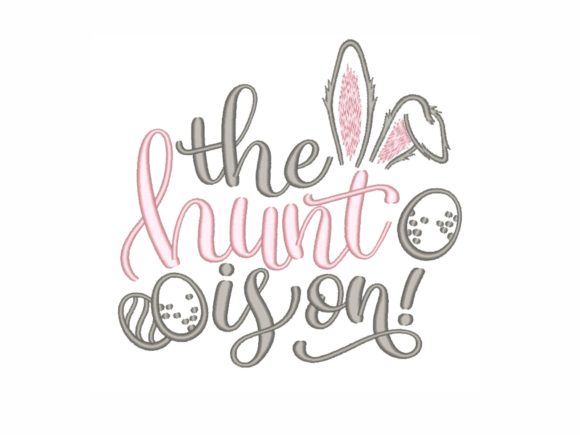
The Hunt Is On: An Embroidery Designer’s Honest Review
What I See in This Design Before a Single Stitch
Right away, The Hunt Is on brings a playful, slightly mischievous energy that’s perfect for Easter projects without feeling overly juvenile. The composition has a hand-illustrated warmth—soft curves, cheerful movement, and just enough detail to catch the eye without becoming a stitching headache. It’s the kind of machine embroidery design that reads well from across a craft fair booth, which matters hugely when you’re selling finished products. The visual balance leans toward a central focal point, surrounded by smaller accent shapes that create a natural frame. That structure gives you flexibility: you can drop it on a tote bag, a sweatshirt chest, or even a bib and not worry about awkward dead space.
From a professional standpoint, the theme is smart. Easter motifs can sometimes tip into saccharine territory, but this design walks the line between cute and clever. The “hunt” idea translates visually into motion and excitement, which makes the stitched piece feel like a tiny narrative. Whether you’re embellishing a custom apron for a holiday brunch host or creating a limited-run patch series, The Hunt Is on has enough personality to anchor a product without needing extra text or borders.
The Hunt Is On in Action: A Tote Bag Test Case
Let me ground this in a real scenario. I recently prepared a batch of eight custom canvas tote bags for a small shop’s Easter collection. The client wanted something that families would grab for egg hunts or farmers’ market trips, and The Hunt Is on felt like the obvious choice. I ran a test stitch-out on a medium-weight cotton canvas with a medium cutaway stabilizer. The design stitched cleanly, with few trims needed between color blocks. The satin stitch borders held their crispness, and the fill stitch areas laid down flat without pulling the fabric, even on a slightly textured surface. That’s a huge relief if you’re producing multiples for a craft business—you don’t want to babysit every hooping.
On the finished tote, the embroidery drew customers in immediately. People smiled when they saw the design, which is exactly the reaction you’re hoping for in a handmade product. It didn’t scream “mass-produced holiday decoration”; it felt like a thoughtful, design-forward choice. I’ll note that on a cream-colored tote, the color palette popped beautifully, but I also tested a version on a dusty sage green canvas, and the contrast remained surprisingly effective. That versatility means you can reuse the digital embroidery file across multiple fabric options in the same product line without losing readability.
Product Types This Embroidery File Instantly Upgrades
If you’re an Etsy seller, apparel decorator, or creative entrepreneur looking for a versatile Easter addition, The Hunt Is on slots into a surprisingly wide range of embroidery projects. Here’s where I see the strongest fit:
- Custom sweatshirts and hoodies. The design scales well to a left-chest or full-center placement, and the theme gives adults an excuse to wear something seasonal without going over the top.
- Tote bags and market bags. As I mentioned, this is a natural. It turns a basic reusable bag into a seasonal gift or boutique product.
- Baby and toddler apparel. The soft, friendly shapes work beautifully on onesies, tiny tees, and bibs. Just watch your hoop size and consider reducing the design slightly for infant-sized items—but test the stitch density first, as shrinking too much can make fine details muddy.
- Kitchen towels and tea towels. A single-color version or a carefully color-picked iteration on a flour-sack towel creates an instant holiday hostess gift.
- Pillow covers and home decor accents. Imagine this on a linen pillow cover tossed on a springtime bench. It feels curated, not cutesy.
- Embroidered patches. With a merrowed edge or a finished satin-stitch border, this design would make a collectible patch for backpack panels or jacket sleeves.
- Aprons and caps. Curved surfaces like caps require extra care, but the organic layout of The Hunt Is on adapts better than rigid geometric patterns.
Sensitive Spots Where Extra Care Makes the Difference
No design is one-size-fits-all, and that’s especially true for holiday motifs that people rush to stitch last-minute. Let’s talk about where The Hunt Is on needs a designer’s eye.
If you’re hooping a small format—say, a 4x4—check the file’s intended hoop size before purchasing. Complex designs compressed into a tiny area can suffer from needle penetrations piling up, leading to thread breaks or fabric distortion. I always, always recommend doing a test stitch on scrap fabric that matches your final product’s weight and texture. The design’s finer accent lines, which give it so much personality, rely on crisp contrast; on a dark or heavily patterned fabric, those details might recede. That’s not a flaw—it’s a material choice. A quick mockup, even a black-and-white preview, will tell you if you need to swap thread colors or add an underlay.
Stretchy fabrics like performance tees or baby knits call for a reliable stabilizer method. I’d use a fusible mesh cutaway for garments that need to hold shape through wash cycles. On thin, drapey fabrics, test whether the stitch density causes puckering. If it does, a layer of wash-away topper often solves the problem without altering the design file itself. And while The Hunt Is on works nicely on curved surfaces like caps, I’d slow down and digitize a precise placement guideline; the design’s playful asymmetry demands careful alignment so the focal character doesn’t end up peering off the brim.
One more note: if you’re producing items for frequent laundering, such as kids’ clothing or kitchen towels, inspect the small connecting stitches between elements. Tiny running stitch details can eventually fray if they’re isolated. In my test on a well-stabilized towel, they held up through a dozen washes, but it’s worth inspecting your own stitch-out with a critical eye before sending anything to a customer.
How This Design Subtly Builds Customer Trust and Product Value
When a buyer sees The Hunt Is on on a finished product, they’re not just seeing a cute picture. They’re reading quality. A design that stitches out cleanly, with even satin stitch edges and no misplaced thread colors, signals that the maker cares. That perception builds repeat customers for a craft business. I’ve had clients tell me that a well-executed seasonal embroidery on a sweatshirt made them feel like they were buying from a boutique brand rather than a casual hobbyist. That shift in perceived value lets you price your handmade product confidently.
The design also lends itself to personalized gift pairings. Add a name or a short date underneath in a complementary font, and you’ve instantly created a keepsake for a child’s first Easter or a couple’s wedding anniversary. It’s that flexibility—turning a single machine embroidery design into a memory piece—that keeps your Etsy listings fresh and engaging. From a branding standpoint, The Hunt Is on carries enough originality that your shop won’t look like every other seasonal seller recycling the same five bunny silhouettes.
Designer Notes That Save You from Headaches
I’ve learned the hard way that enthusiasm alone doesn’t produce a saleable finished product. Here’s my practical checklist before you commit this design to a client piece or a small shop order:
- Test on scrap first. I know it’s repetitive, but a single hooping on a similar fabric blend and color will reveal 90% of potential issues. Pay attention to how the fill stitch direction interacts with the fabric weave—sometimes a slight twist of the hoop changes how light hits the thread.
- Review thread color contrast early. The design description doesn’t specify a thread palette, so pull a few test combinations. Muted pastels can look dreamy on a cream tea towel but washed out on a white onesie. A quick photo mockup, or a printable mockup if you sell digital product previews, helps you plan.
- Confirm the file formats included. The product note says the design comes with multiple embroidery file format options. That’s essential—but don’t assume your machine’s format is there. Check the listing carefully. A design that comes with a solid range of formats saves you conversion headaches and means you can offer the same product to customers who own different machine brands.
- Check the stitch density in dense areas. Some sections may pack more stitches than your fabric can handle. If your test piece feels stiff or puckers, consider adding a secondary stabilizer layer or slightly reducing the design’s scale—though as I said, test scale changes carefully.
- Know your licensing before selling. This design holds obvious appeal for commercial embroidery use, whether you’re stitching on goods for a craft fair or listing finished products on Etsy. Verify that the commercial terms allow you to sell physical items made with the design. Respecting the designer’s license protects you and the creative community.
A Stitch-Out That Shifts Seasonal Selling
What I appreciate most about The Hunt Is on after working with it is that it doesn’t feel disposable. Too many Easter digital embroidery files are one-and-done—you use them in March and forget them. This one has a spirit that could easily carry into spring baby gifts, nursery decor, or even a lighthearted patch on a denim jacket that someone wears year-round. That longevity increases the return on a design purchase, which matters for makers running a tight craft business budget.
The mood balances whimsy and craftsmanship. It invites conversation without being loud. When I see it stitched out on a simple tote bag, I don’t just see an Easter accessory—I see a small business owner’s smart product decision. The Hunt Is on earns its place in a designer’s library not through complexity, but through reliable good looks and the kind of stitching behavior that lets you focus on the joy of making rather than troubleshooting mid-project.