Intertwined Star of David Applique: A Seller’s Booth Review
Walking the Booth Floor With This Design
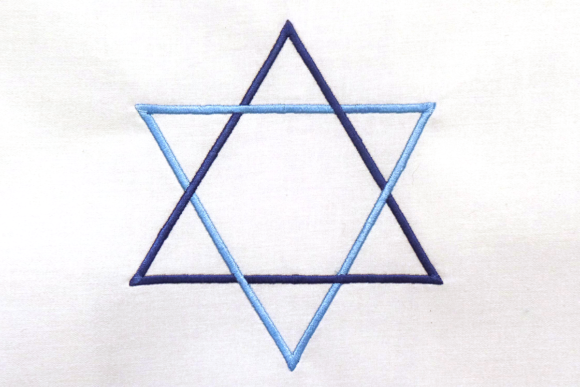
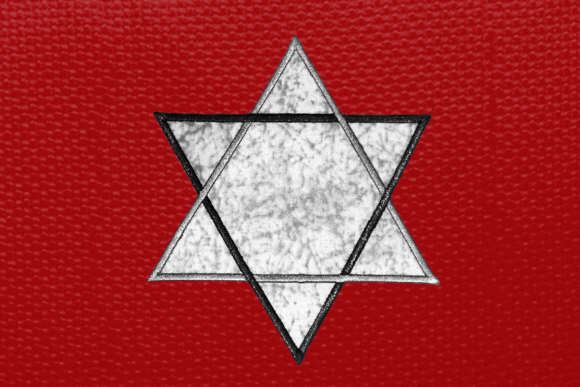
When I pulled up the Intertwined Star of David Applique file on my screen for the first time, I immediately pictured a Saturday morning craft fair table. The design has a clean, symbolic presence that stops a slow-walking browser in their tracks. It is not loud or flashy. Instead it leans into a quiet, elegant strength that fits booths selling handmade goods with a spiritual or heritage touch. The intertwining element keeps it from feeling like a flat printed symbol. There is movement and texture built right into the visual, which is exactly what you want when your work sits a few feet away from a customer scanning a crowded aisle.
From an embroidery designer perspective, this is a design that carries meaning. For an Etsy seller, a small shop product creator, or a boutique maker setting up a weekend booth, that meaning translates directly into conversations at the table. Buyers lean in, ask about the design, share a personal story. That soft engagement is the first step toward a sale. The Intertwined Star of David Applique gives you that opener without needing a hard pitch. It speaks for itself.
Product Matchups That Sell Fast
Not every machine embroidery design fits every substrate. One of my early checks for any new embroidery file is to mentally run it across the products that actually move at a handmade market. Here is where the Intertwined Star of David Applique landed in that evaluation.
Tote Bags and Market Bags
A canvas tote with this design placed slightly off-center or near the top corner looks intentional and premium right away. The intertwined shape reads well from across a booth. On natural cotton or linen totes, the applique layers add a subtle dimension that screen print simply cannot match. For a craft fair product, a tote is low cost to produce and easy to upsell. Pair the design with a soft metallic or matte thread that contrasts a muted bag color and you have a product that feels like a small luxury.
Aprons and Kitchen Towels
Apron embroidery at a fair always draws the home cook or the gift buyer who is thinking of a parent or grandparent. The Intertwined Star of David Applique on a linen apron pocket or centered on a bib creates a tasteful, heritage-inspired piece. On tea towels, the design works best when scaled down slightly and placed near the hem or as a corner accent. Remember that tea towel embroidery on textured or waffle-weave fabric can lose fine detail, so test how the intertwined lines hold up on a fabric with a looser weave. A smooth flour-sack towel will serve this design much better.
Embroidered Patches and Caps
An embroidered patch route opens a different kind of sale. Young buyers and collectors love patches for jackets, bags, and denim. The Intertwined Star of David Applique, when converted to a standalone patch with a finished edge, becomes a small-ticket impulse buy. On caps, placement matters. A curved cap surface can distort the symmetry of the intertwined star if the design is too large. Stick to a smaller size, lower on the side panel or centered above the adjustment strap, and the design will hold its shape beautifully.
Pillow Covers and Small Pouches
Throw pillow covers with this design placed in a repeating pattern or as a single bold focal point catch the home décor crowd. A small zippered pouch with the Intertwined Star of David Applique on the front makes a lovely giftable item. At a handmade market, small pouches sell fast because they sit at an accessible price point and feel personal. The design works nicely at a reduced scale, as long as the thread contrast stays strong.
Visual Appeal and Customer Magnets
What makes the Intertwined Star of David Applique grab attention is the interplay between structure and flow. A traditional Star of David reads as geometric and anchored. Adding the intertwined twist gives it a softer, almost woven texture that catches light differently in person. Under booth lighting or outdoor sun, the layered stitches in an applique piece create a subtle shadow effect that flat embroidery does not produce. This is the kind of detail that a customer might not consciously notice but that makes them pick up the product instead of the one next to it.
For commercial embroidery sellers, this visual quality matters because it elevates the perceived value of a handmade product. A well-stitched applique piece suggests time, skill, and intention. When I display items with this design, I make sure to place them at eye level where the stitch texture does the heavy lifting.
The Practical Side of Stitch-Outs
Before committing to a full production run for a craft fair booth, I always run a test stitch-out. Here is what I pay attention to with a design like this.
First, stitch density in the overlapping sections is critical. Where the lines of the star intertwine, you may have layers of stitching that build up bulk. On a softer fabric, that bulk can pucker if the stabilizer is too light. I recommend a medium-weight cutaway stabilizer for most applications, and a firm tear-away only if the fabric is very stable. Second, check the hoop size requirements in the actual digital embroidery file you purchase. Some sellers provide multiple sizing options, which gives you flexibility. If not, you need to decide upfront whether the largest size fits your standard hoop or if you need to adjust your product lineup around a limitation.
Thread colors can change the whole mood. A monochrome version in cream on natural linen reads elegant and farmhouse. A deep blue and metallic gold palette pushes the design toward a more celebratory, Judaica-gift feel. Test at least three thread palettes on scrap fabric in the same color family as your planned finished product. You will quickly see which one photographs best and which one gets lost.
Small Booth, Big Impact: Display Tactics
At a real craft fair, a 10-by-10-foot space fills up fast. I think about booth density constantly. The Intertwined Star of David Applique works in your favor here because it can appear on multiple product types without feeling repetitive. A hanging tea towel, a folded apron, a stack of totes, and a small basket of patches all carrying the same core design create a cohesive brand look without yelling “same design everywhere.” That cohesion builds trust and signals a real brand to the buyer.
I also consider the walk-by glance. A design with too much small detail fails the three-second test. The intertwined star holds up because even at a glance, the overall shape is familiar and the intertwined center registers as intentional negative space rather than clutter. That quick legibility gives you a higher chance of stopping foot traffic.
Online Listings and Product Photography
If you also sell online, the Intertwined Star of David Applique photographs well. Flat lays on linen or textured paper show off the applique edges cleanly. For Etsy seller listings, I would shoot a close-up that captures the overlapping stitch lines and a lifestyle shot of the item in use. A printable mockup can help with product previews, but nothing replaces a real stitched-out sample photographed in good natural light. The interplay of thread sheen and fabric texture is your biggest selling asset in a digital listing, and this design delivers that.
When I list items made with a digital embroidery file like this, I always note whether the file includes design assets such as multiple sizes or color charts. If the listing you buy from does not clearly state those details, reach out to the seller before production. You do not want to discover missing sizes on the night before a market.
Careful-Use Points Worth Noting
Over years of stitching out hundreds of designs, I have learned to spot potential trouble areas before they become returns or unhappy customers. For this design, a few points stand out.
- Dense stitch areas: Where the star lines cross, stitch density can build up. If the design was not digitized with careful underlay, you might feel a stiff, raised patch. Test and adjust with a lighter stabilizer or softer fabric if the result feels too rigid.
- Tiny details and small lettering: If the design includes any small text elements alongside the star, check legibility at smaller sizes. I avoid shrinking text-heavy versions below the recommended dimensions in the file notes.
- Thick and textured fabrics: Terry cloth towels, fleece, and loosely woven linen can swallow the crisp edges of an applique design. Use a water-soluble topper to hold the surface stitches above the fabric nap.
- Curved cap surfaces: Caps are tempting but unforgiving. The intertwined center must remain symmetrical, and a curved surface can warp that symmetry if you are not careful with placement and hooping.
- Dark fabric: If your thread color palette is dark and your fabric is dark, the design loses visibility. Always test thread contrast on a swatch before committing to a full batch of products.
- Loss of clarity at small sizes: Scaling the Intertwined Star of David Applique down too much risks merging the intertwined sections into a single blob. The design needs room to breathe.
All of these are manageable with a test run and thoughtful material choices. Taking those steps separates a professional booth from a hobby table.
Designer Notes From My Own Stitch-Out
Here is the short checklist I follow when prepping any machine embroidery design like this one for a craft fair product run.
- Stitch a sample on the exact fabric texture and color you intend to sell.
- Test at least two thread colors to check contrast and visual warmth.
- Review stitch density in the overlapping areas and adjust stabilizer choice if needed.
- Confirm hoop size compatibility before purchasing the file if the seller has not listed it clearly.
- Create one real mockup in photo-ready condition for both your booth display and online listing.
- Verify commercial embroidery licensing status on the embroidery file before selling finished goods.
- Compare the stitched sample on different fabric colors to know which combinations yield the strongest visual impact.
I cannot overstate that last point. License terms vary, and assuming you can sell finished product commercially without checking is a risk no small business owner should take. Always read the seller's terms or send a quick message confirming commercial use is allowed.
Final Booth Call on the Intertwined Star of David Applique
After all the testing, the mockups, and the mental run-through of product options, the Intertwined Star of David Applique earns a strong place on my craft fair table. It offers the rare combination of deep meaning and design sophistication that works across a range of price points. A $12 patch, a $28 tea towel, a $45 tote, and a $60 linen apron can all carry this design without it feeling stretched thin.
For the seller who serves customers looking for meaningful handmade product pieces, gifts rooted in heritage, or simply beautiful embroidery work, this design is a dependable performer. It rewards careful material choices, thoughtful color decisions, and clean hooping technique. Most of all, it connects. In a busy market where hundreds of products compete for a glance, a design built on meaning and stitched with precision will always stand a little taller. That is exactly what the Intertwined Star of David Applique delivers, and that is why it belongs in your booth lineup.