Christmas Plaid Ornament Arabesque: A Designer's Review
First Impressions and the Mood It Creates
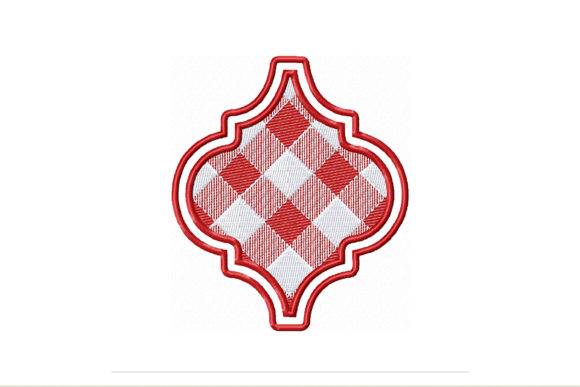
When I first opened the Christmas Plaid Ornament Arabesque design file, I immediately felt that familiar holiday warmth. The design blends a plaid ornament silhouette with an arabesque snowflake motif, and the combination reads as both traditional and slightly elevated. It is not a loud, cartoonish Christmas graphic. Instead, it carries a quiet, handcrafted charm that would sit beautifully on a well-made pillow cover or a linen tea towel. The snowflake detail inside the ornament shape gives it movement, and the arabesque curves soften the geometry just enough to keep the eye moving across the design. For a machine embroidery design destined for home decor, this balance of structure and fluidity matters a lot.
What struck me most was the visual personality. The design feels intentional, like something a maker would choose for a boutique holiday collection rather than a mass-produced item. The plaid element grounds it in classic Christmas territory, but the arabesque snowflake lifts it into something that could easily cross over into winter wedding decor or a cozy nursery piece. If you are an Etsy seller or a small shop product creator looking for a holiday embroidery design that stands apart from the usual reindeer-and-snowman fare, this one deserves a close look.
Where the Design Naturally Belongs
Some machine embroidery design files feel uncertain about their purpose. You look at them and wonder whether they belong on a t-shirt, a cap, or a wall hanging. The Christmas Plaid Ornament Arabesque does not have that problem. It clearly belongs in the home decor space. The description points toward pillows and textile bags, and I completely agree. The design has a decorative, almost heirloom quality that would look out of place on a sporty sweatshirt but absolutely right on a structured cushion cover, a fabric gift sack, or a set of embroidered kitchen towels.
I could also see it working on a fabric tree ornament, a holiday table runner, or even a quilt block for a winter-themed blanket. The scale and detail level suggest a design meant to be admired up close, not one that needs to shout across a room. That makes it ideal for personalized gift projects where the recipient will lean in and appreciate the stitching quality. For a craft business focused on handmade home goods, this design could become a seasonal signature piece.
The Snowflake and Arabesque: A Closer Look at the Layout
The snowflake sits at the heart of the ornament shape, and the arabesque lines radiate outward in a way that creates a sense of symmetry without feeling rigid. In embroidery, pure symmetry can sometimes expose stitching flaws, because any slight misalignment becomes obvious. Here, the arabesque curves introduce enough organic flow that minor registration shifts would not ruin the overall effect. That is a practical design choice I appreciate as someone who has stitched out hundreds of files and seen what happens when a dense, perfectly symmetrical motif shifts by even a millimeter.
The plaid detail inside the ornament border adds texture and depth. Depending on how the stitch density is handled, plaid areas can become heavy or puckered on lighter fabrics. I would strongly recommend testing on a scrap of the exact fabric you plan to use, with the stabilizer you intend to rely on, before committing to a final product. The fill stitch in the plaid sections will likely be the make-or-break element for a clean finished product.
Fabric Pairings I Would Trust
Given the home decor focus, I would reach for medium-weight linen, cotton canvas, or a sturdy cotton-linen blend first. These fabrics hold satin stitch and fill stitch details well without puckering, and they complement the slightly rustic, artisanal feel of the design. A linen pillow cover with this design stitched in a soft cream or deep burgundy thread would look like something from a high-end holiday catalog.
For textile bags, a mid-weight cotton twill or even a heavy cotton drill would provide the stability needed. I would avoid lightweight quilting cotton unless you are very confident in your hooping and stabilizer technique. The design's detail level suggests a fair amount of stitching, and lightweight fabrics can struggle under that density. A tote bag design featuring this motif would benefit from a fusible cut-away stabilizer to keep the stitching crisp over time, especially if the bag will be used regularly.
Thread Choices and Color Stories
Plaid designs always invite questions about thread colors. The Christmas Plaid Ornament Arabesque likely works best with a restrained palette. I would test it first in a classic red-and-green plaid with a white or metallic gold snowflake, then try a more muted version with sage green, cranberry, and cream. A monochromatic version in ivory on a dark linen background could also be stunning for a winter wedding or a sophisticated holiday tablescape.
Color contrast matters enormously here. If the plaid stitches blend too closely with the background fabric, the ornament shape loses definition. If the snowflake thread matches the plaid too closely, the arabesque detail disappears. I always recommend testing a design in grayscale first, either on screen or with a quick printout, to check whether the value contrast holds up. A design that looks beautiful in full color can fall flat when the thread colors are too similar in tone. The same principle applies when choosing fabric texture and color. A busy printed fabric would fight with the plaid detail, so I would stick to solid or subtly textured backgrounds.
Real Case: A Holiday Pillow Cover for a Client Order
Let me walk through how I would actually use the Christmas Plaid Ornament Arabesque in a real project. A client recently asked me to create a set of four holiday pillow covers for her living room. She wanted something elegant but unmistakably Christmas, and she specifically requested designs that would not feel dated after one season. I immediately thought of this design.
I would stitch the motif centered on an 18-inch square linen pillow cover in a natural oatmeal color. The plaid sections would use a deep forest green and a muted brick red, with the snowflake arabesque in an off-white that has just a hint of warmth. The hoop size needs to accommodate the full ornament shape without crowding, so I would check the design dimensions and confirm my largest hoop can handle it with room to spare for proper hooping. After stitching, I would press the back carefully with a pressing cloth to avoid flattening the stitches, then sew the pillow cover and insert a down-alternative form. The result would be a handmade product that feels substantial, giftable, and worthy of a premium price point.
Small Business and Commercial Considerations
For Etsy sellers, craft fair product makers, and digital embroidery file resellers, the licensing question is always top of mind. The product description mentions that this is a machine embroidery design that comes with multiple embroidery file formats. That is a helpful starting point, but I would still confirm the exact terms before selling finished items stitched with this design. Some designers allow commercial use on physical products but restrict digital resale or modification. Others require attribution or limit the number of items you can sell. Always check the license, document it, and keep a record in case questions arise later.
From a branding perspective, the Christmas Plaid Ornament Arabesque could anchor a cohesive winter product line. Imagine it on a pillow cover, a matching tea towel, a fabric gift bag, and a small zippered pouch. The repetition of the motif across different products creates brand recognition, and customers who love one piece are likely to return for coordinating items. For a craft business trying to build a loyal customer base, that kind of visual consistency is gold.
Where Caution Is Needed
I would be careful using this design on highly textured fabrics like terry cloth or chunky knit. The plaid and arabesque details rely on clean stitch definition, and texture can blur the edges. I would also avoid very dark fabrics unless you are confident in the thread contrast. A dark navy background with a dark green plaid section could lose all definition, leaving the snowflake floating in an unclear shape.
Stretchy fabrics are another area for caution. If you want to stitch this on a sweatshirt or a knit garment, use a sturdy cut-away stabilizer and consider a basting stitch to hold the fabric in place. The design's density could cause tunneling on knits if the stabilizer is not adequate. For baby embroidery projects, I would place the design on a woven fabric patch and then appliqué it onto the garment, rather than stitching directly onto a stretchy onesie. That approach protects the design integrity and keeps the inside of the garment smooth against delicate skin.
Small hoop sizes are also a concern. If the design is scaled down too much, the plaid lines and arabesque curves could become muddled, and the running stitch details might disappear entirely. Always check the minimum recommended size and resist the temptation to shrink the file beyond what the digitizer intended.
Stitching Notes and Pre-Test Routine
Before stitching the Christmas Plaid Ornament Arabesque on any final product, I always run a test on a fabric scrap that matches the project material. I check the stitch density in the plaid areas, look for any pulling or puckering, and confirm that the snowflake arabesque reads clearly. I also test with different thread brands if I am switching from my usual supplier, because thread thickness can vary slightly and affect the final look.
I pay close attention to the satin stitch borders around the ornament shape. If they are too narrow, they can snag or wear poorly over time. If they are too wide, they can feel heavy and stiff on lighter fabrics. The balance here will depend on the digitizer's choices, which is why the test stitch is so important. I also check the back of the embroidery for any loose threads or tension issues, because a clean back contributes to a professional finished product and reduces customer complaints down the line.
Giftability and Customer Appeal
One of the reasons I keep returning to ornament and snowflake designs for holiday projects is their universal appeal. The Christmas Plaid Ornament Arabesque does not lean on any specific cultural reference, trendy phrase, or dated style. It feels timeless. A pillow stitched with this design could be pulled out of a storage box ten years from now and still look relevant. That longevity matters for customers who are investing in handmade product quality rather than disposable seasonal decor.
For a personalized gift, you could add a monogram or a short family name in a subtle thread color near the ornament, though I would keep any added text small and understated to avoid competing with the arabesque detail. The design already carries enough visual interest on its own. A simple linen backing, a neatly stitched zipper, and thoughtful packaging would turn this into a gift that feels considered and luxurious.
Final Thoughts Before You Stitch
The Christmas Plaid Ornament Arabesque is a design that knows what it is and where it belongs. It is not trying to be everything at once. It sits comfortably in the home decor space, with a plaid-and-snowflake personality that feels both festive and refined. For a small shop product, a custom apparel accent on a structured jacket, or a holiday embroidery gift line, it offers strong visual appeal and practical stitchability, provided you choose the right fabric, stabilizer, and thread colors.
What I value most in a machine embroidery design is reliability. I want to know that when I hoop my fabric, thread my machine, and press start, the result will look like the preview and hold up to use. Based on the design's layout and the mood it creates, the Christmas Plaid Ornament Arabesque inspires confidence. It rewards careful fabric choices and thoughtful color planning, and it delivers a finished product that feels genuinely special. Whether you are stitching for a client, building inventory for a holiday market, or making something beautiful for your own home, this design earns its place in your embroidery project lineup.